
What Causes Garage Door Springs to Break?
Garage door springs are one of the most important components of your entire garage door system. While most homeowners rarely think about them, these tightly wound pieces of steel are responsible for lifting and lowering a door that can weigh several hundred pounds. When a spring breaks, it often happens suddenly and without warning. The door may refuse to open, slam shut unexpectedly, or produce a loud snapping sound that immediately signals something is wrong.
Understanding what causes springs to fail can help you prepare for spring replacement before the issue becomes an emergency. Most spring failures are not random. They are the result of gradual wear, environmental conditions, mechanical imbalance, or lack of maintenance. By learning how these factors contribute to breakdown, you can better recognize warning signs and make informed decisions about your garage door system.
How Garage Door Springs Function
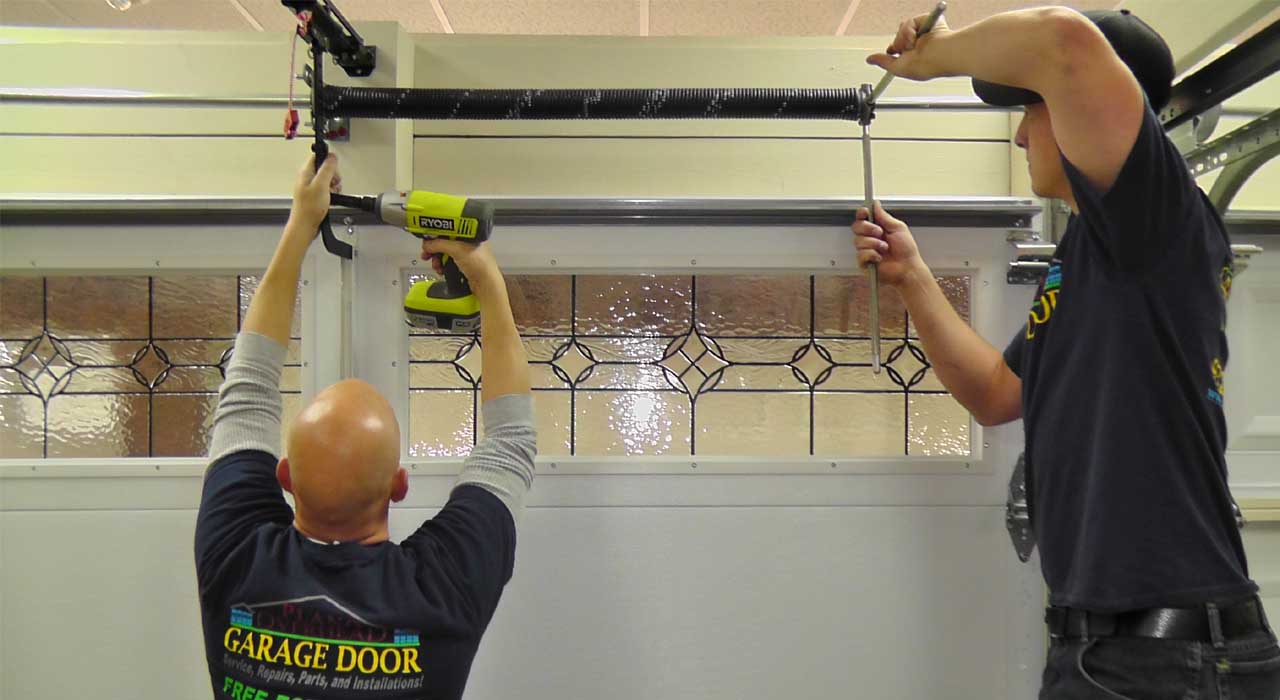
Garage doors typically rely on either torsion springs or extension springs to manage their weight. Torsion springs are mounted horizontally above the door opening. They work by twisting and storing mechanical energy when the door closes. When the door opens, that stored energy is released to assist with lifting. Extension springs, on the other hand, are mounted along the horizontal tracks and stretch as the door closes, then contract to help lift the door back up.
Both systems are engineered to counterbalance the door’s weight. Without properly functioning springs, the opener would struggle to lift the door, and manual operation would be extremely difficult. The springs are the true workhorses of the system.
Each spring is rated by cycle life, which refers to how many times the door can open and close before the spring reaches the end of its designed lifespan. One full opening and closing counts as a single cycle. Most residential springs are rated for approximately 10,000 cycles. Once that limit is reached, metal fatigue begins to weaken the structure of the spring, eventually leading to failure and the need for spring replacement.
Normal Wear and Tear Over Time
The most common reason garage door springs break is simply age and repeated use. Every time the garage door moves, the springs wind and unwind under significant tension. Over thousands of cycles, tiny stress fractures develop in the metal. These fractures are invisible at first but gradually expand until the steel can no longer withstand the tension.
For an average household that opens and closes the garage door four times per day, 10,000 cycles may equal roughly seven years of use. Homes that use the garage as the primary entrance may reach that limit much sooner. Families with multiple drivers, frequent visitors, or delivery traffic often place additional strain on the system.
When a spring finally snaps, it may seem sudden, but the weakening process has likely been happening for months or even years. In most cases, spring replacement is not the result of poor manufacturing but the natural end of the component’s service life.
The Impact of Rust and Corrosion
Rust plays a significant role in reducing the lifespan of garage door springs. When metal is exposed to moisture, oxidation begins. Over time, rust eats into the steel and compromises its structural integrity. Even small amounts of corrosion can weaken the coils and create rough surfaces that increase friction during operation.
In regions that experience humidity, rain, snow, or seasonal condensation, corrosion can accelerate spring wear. Rust also causes the coils to bind together slightly as they move, increasing internal stress. This extra friction reduces cycle life and makes spring replacement necessary sooner than expected.
Routine lubrication helps slow the formation of rust, but once corrosion becomes extensive, replacing the springs is usually the safest and most effective solution.
Lack of Maintenance and Lubrication
Garage door springs are not maintenance free. Without periodic lubrication, the coils rub against each other during movement. This creates heat and friction that gradually weaken the steel. Dry springs are often noisy before they fail. You may hear squeaking, popping, or grinding sounds as the door operates.
Regular lubrication reduces friction and protects the metal from excessive wear. It also helps prevent rust buildup. While maintenance cannot eliminate the eventual need for spring replacement, it can extend the life of the springs and reduce stress on other components in the system.
Ignoring routine maintenance increases the likelihood of premature failure and unexpected breakdown.
Incorrect Spring Sizing or Installation
Garage door springs must be carefully matched to the weight and height of the door. If the wrong spring is installed, it will either struggle to lift the door or create imbalance within the system. A spring that is too small will remain under constant strain. A spring that is too large may cause uneven tension and stress on other hardware.
Improper installation can also shorten spring lifespan. If the spring is wound incorrectly or not balanced evenly with a second spring in a dual system, one spring may wear out faster than the other. This uneven strain increases the risk of early failure.
When springs are not properly sized or installed, spring replacement may be required much earlier than anticipated.
Temperature Changes and Seasonal Stress
Metal reacts to temperature fluctuations. In cold weather, steel becomes more brittle. During winter months, weakened springs are more likely to snap because the metal has less flexibility under tension. Many homeowners experience spring failure during colder seasons for this reason.
Hot weather also affects metal. Repeated expansion and contraction due to seasonal temperature changes accelerate fatigue. Over time, these constant shifts weaken the steel and contribute to structural failure.
Although temperature changes cannot be prevented, understanding their impact explains why spring replacement often occurs during seasonal transitions.
Added Weight and System Overload
Garage doors are engineered to operate within specific weight limits. When homeowners add insulation, decorative hardware, or heavier panels, the overall weight of the door increases. Even modest weight increases require the springs to work harder.
If the springs were originally rated for a lighter door, they may wear out faster under added strain. The opener may also begin to struggle, and the door may feel heavier during manual lifting.
In these cases, upgrading to properly rated springs during spring replacement ensures long term safety and performance.
High Frequency Usage
Homes that rely on the garage as the primary entrance naturally experience more wear on springs. Opening and closing the door ten or more times per day significantly reduces the time it takes to reach the cycle limit.
Commercial style usage patterns, such as home businesses or properties with frequent traffic, place even greater demand on the system. High cycle springs are available and can extend lifespan, but even these will eventually require spring replacement.
Understanding how usage affects lifespan helps homeowners anticipate when replacement may be needed.
Alignment and Hardware Issues
Springs do not work alone. They operate alongside rollers, tracks, and cables. If any of these components are misaligned, bent, or worn, the springs may experience uneven tension.
A bent track can cause the door to drag on one side. Worn rollers may create jerky motion. Loose cables may alter tension distribution. All of these issues increase strain on the springs and reduce their lifespan.
Routine inspections help identify these problems early and reduce unnecessary stress that could lead to premature spring replacement.
Recognizing Warning Signs
Although springs often fail suddenly, there are warning signs to watch for. A door that feels heavier than usual when lifted manually may indicate tension loss. An opener that strains or stops midway could signal weakening springs. A visible gap in a torsion spring is a clear sign of breakage.
In some cases, homeowners hear a loud snapping sound similar to a firecracker. This often indicates a spring has completely failed.
Addressing these warning signs quickly prevents damage to the opener and reduces safety risks.
Extending the Life of Your Springs
While spring replacement is unavoidable over time, proactive care makes a difference. Scheduling annual inspections allows professionals to evaluate spring condition and overall system balance. Lubricating moving parts reduces friction. Keeping tracks clean and hardware secure ensures smooth operation.
Avoid forcing the door open if it feels stuck, as this places excessive strain on weakened springs. Preventative maintenance does not eliminate wear, but it slows the process and reduces unexpected breakdowns.
What This Means for Your Garage Door
Garage door springs break for understandable reasons. Most failures are caused by normal wear, environmental exposure, improper sizing, mechanical imbalance, or lack of maintenance. Recognizing these causes helps homeowners make informed decisions and plan for eventual spring replacement.
Replacing worn springs at the right time restores balance, improves opener efficiency, and keeps the door operating safely. Waiting too long can lead to additional damage and higher repair costs.
Professional Spring Replacement You Can Rely On
When the time comes for spring replacement, proper installation and precise balancing are essential for safety and performance. RC Garage Door Omaha understands how local weather conditions, daily usage, and system wear affect garage door springs. Their trained technicians evaluate the entire system to ensure new springs are correctly sized and professionally installed.
By choosing experienced professionals for spring replacement, homeowners protect their garage door system from unnecessary strain and ensure long lasting reliability. If your garage door is showing signs of spring wear or has already failed, RC Garage Door Omaha is equipped to restore safe and dependable operation with expert care.